13806강 새 시대가 요구하는 추석[천공 정법]

게시일자 : 2025.10.10 금.
강의시간 : 20분 31초
질문 : 추석은 조상님께 감사드리고 가족과 함께하는 전통의 명절이지만, 정법의 관점에서 보면 단순한 풍습을 넘어 천지의 순환과 인간의 영적 성장과 관련이 있을 것 같습니다. 오늘날 많은 사람들이 명절의 본질을 잊고 형식이나 편리함에 치우치고 있는데, 추석이 가진 본래의 의미와 기운은 무엇이며, 이 시기에 우리가 어떤 마음가짐과 실천을 하면서 바른 삶으로 나아갈 수 있을지 가르침을 청합니다.
강의일자 : 2025.10.06 울산.
#13806강 #새시대가요구하는추석 #추석 #한가위 #추수감사절 #천공스승 #13806강새시대가요구하는추석 #천공정법 #도태 #추수감사절 #조상 #발목 #명절날 #곡식 #한가위 #성장 #추석날 #이웃 #관료 #소외 #선조 #사회생활 #진화기 #인류 #생명체
첨부파일 :
1. 13806강 새 시대가 요구하는 추석[천공 정법] 필사내용
게시일자 : 2025.10.10 금.
강의시간 : 20분 31초
강의일자 : 2025.10.06 울산.
질문:
00:01
추석은 조상님께 감사드리고 가족과 함께하는 전통의 명절이지만, 정법의 관점에서 보면 단순한 풍속을 넘어 천지의 순환과 인간의 영적 성장과 관련이 있을 것 같습니다. 오늘날 많은 사람들이 명절의 본질을 잊고 형식이나 편리함에 치우치고 있는데, 추석이 가진 본래의 의미와 기운은 무엇이며, 이 시기에 우리가 어떤 마음가짐과 실천을 하면서 입을 띠고 바른 삶으로 나아갈 수 있을지 가르침을 청합니다.
답변 :
00:42
우리가 그 성장할 때 우리가 추석이라는 거 하고, 우리가 지금 진화할 때 추석하고 요기 좀 색깔이 틀리죠.
추석 하면 뭐예요? 곡식이 익어 가지고 조상들한테 이 곡식을 추수해갖고 우리 외국으로 이야기하면 추수 감사절이나 같은 거죠. 추수 감사절.
그런 거나 같은 것인데, 지금 우리가 진화할 때는 ‘추수 감사절이 있고 추석이 있고, 조상님들께 농사가 잘 됐다’라고 좋은 열매를 바치고 이렇게 예를 갖추고 하던 게 맞죠?
맞는데, ‘지금 현재는 어떠냐?’라는 거지. 지금 현재.
그러면 우리가 진화기를 마치고 ‘대한민국 추석은 어떻게 될 거냐?’라는 거. 진화기 때는 조선 추석이에요. 조선 추석.
그러면 우리 선조님들이 살던 방법에 있어 가지고 추석이라 해가지고 그런 기일을 정하고, 그냥 한가위라 해가지고 모여서 같이 이렇게 우리 선조님들 방식으로 해갖고 사회가 운영이 되던 때.
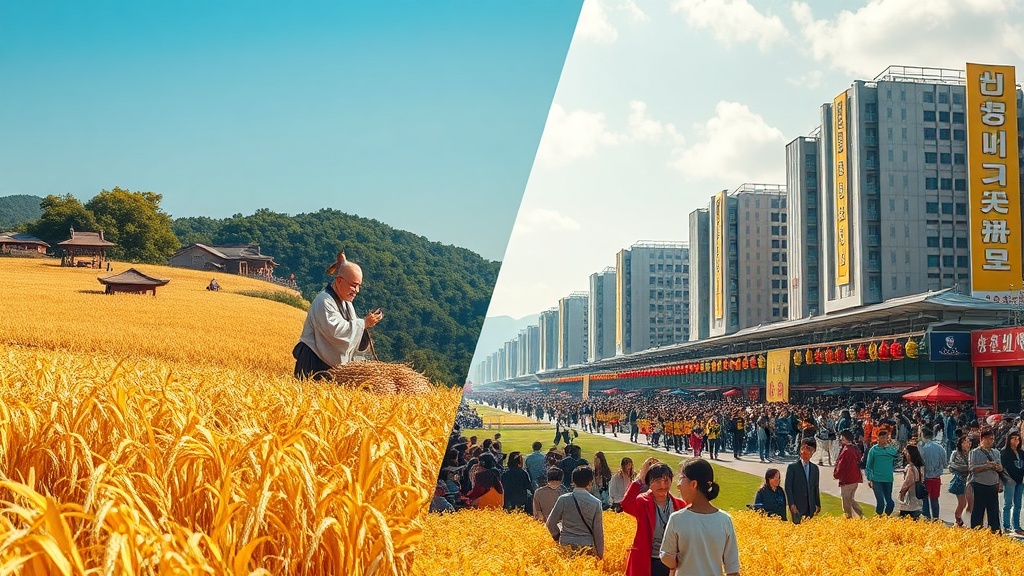
근데 지금 대한민국 시대를 열기 위해서 우리는 성장을 했습니다.
02:21
그러면 성장을 한 대한민국에서 추석은 어떻게 지낼 거냐? 이름은 그대로 놔두더라도.
곡식이 무르익을 때라든지, 우리가 봄부터 열심히 활동을 해 갖고 성과를 이룰 때라든지 뭔가 지금 성과가 일어날 때 라는 거죠.
그럼 성과가 일어날 때 되가 그때 되면 우리가 계절이 가을이 되니까.
성과가 일어난 우리 성과를 가지고, 좀 성장기에는 도태되는 사람도 많고, 조선시대는 도태되는 사람이 많은 게 아니고 층층이 사람이 있는 거예요 이렇게.
상민도 있고, 양반님네도 있고, 사대부도 있고, 그러니 우리가 관료가 있고, 밑에 일을 하는 그런 사람도 있고, 백성들이.
근데 지금은 우리가 이 관료와 백성과 이렇게 따지는 게 아니고,
이 나라가 성장을 하는 데에 대한민국 사회는 어떻게 성장을 했으며, 몇 십 년 만에 어떤 변화가 일어났으며,
이런 속에서는 우리가 성장을 한다라는 것은 도태되는 사람도 많게 되어 있는 거죠.
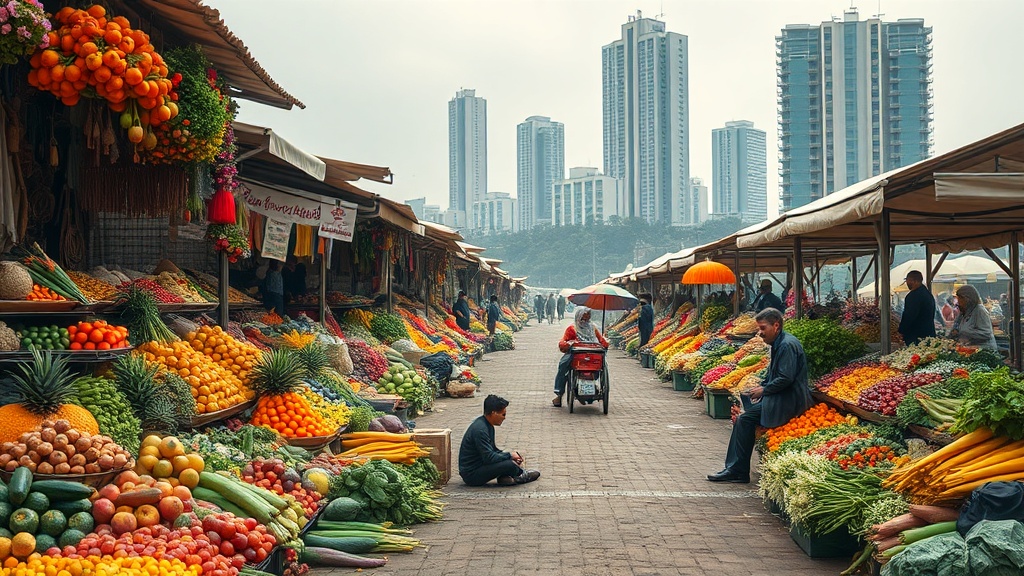
그러면 도태되는 사람들은 가을에 굉장히 추석을 즐겁게 지낼 거냐? 괴롭게 지내는 우리 국민들이 많게 돼 있죠.
03:57
요럴 때는 우리가 추석이 되면은, 각 동이라든지, 시라든지, 뭐 면이라든지 이런 곳에서 도태된 분들을 지금 살펴야 되요.
그러한 이 명절이 됐으면 얼마나 좋을까?
도태된 분들, 그러니까 성장한 사람이 있으면 도태된 사람이 있고, 도태됐어도 저 밑에 30% 밑으로 도태된 사람이 있고,
거기서 더 따지면 더 힘든 사람은 10% 밑에 있고, 뭐 이런 분들을 우리는 평소에 잘 이렇게 좀 선별해 가지고,
그런 분들이 우리가 가을의 즐거움이라도 같이 조금 가면서 앞으로 희망도 살펴가면서,
같이 손잡고 내년에는 어떻게 어떻게 해보려고 노력을 하는, 요러한 명절을 가지면 어떨까?

04:53
그러면 우리가 지금 농사짓는 때가 아니고, 기업을 한다든지 생산품들이 전부 다 다양하단 말이죠.
문화도 생산을 하고, 제품도 생산을 하고, 뭔가 사회에 필요한 이 첨단도 생산을 하고, 이런 것들을 많이 이렇게 하고 있는데,
좋은 차도 많이 만들어가 많이 타고 뭐 이렇게 하는데, 그 도태된 사람들은 그런 거를 느끼지 못하고 살고 있으면서 굉장히 암울하고 힘들고 이렇게 있는 국민이 많다라는 것은,
결국은 성장한 사람들도 거기에 결국은 발목이 잡힌다라는 것도 우리가 알아야 돼.
성장할 때는 괜찮은데,
성장이 70% 올라가갖고 100%로 갈 때는,
도태된 사람들을 그냥 방치해 두면 여기에 발목이 잡힌다라 거.
발목이 잡혀가지고 70% 이상에서는 성장치도 못하고 중간에서 멈춰버리는.
요런 일들이 벌어지는 거야.
그게 지금 대한민국 사회. 전부 다 부작용이 드러나고 있는 사회거든요.
요런 거를 우리가 살피지 않고 그냥 간다면,
우리는 발목 잡혀 갖고 있는 시간도 굉장히 시간이 오래 걸릴 것이고,
멈춘 시간이 오래 걸리면 여기서 잡티가 생길 것이고, 오만한 일이 다 일어나기 시작을 합니다.

06:25
벌레도 생기고, 곰팡이도 썰고.
그러면 이 사회가 어떻게 돌아갈 것인가? 우리는 요까지 생각을 못 하는 거죠.
이웃, 이웃 하면서도 우리는 요 근본의 원리를 조금 이렇게 따져서,
그러면 우리가 이 마을에서도 실질적인 가호 가호를 살피는 책임자들, 우리 마을에.
그런 것들이 그쪽에서 우리가 회의할 때라든지 이럴 때도 요런 것을 우리가 조금 살피면 좋겠다.
그럼 그분들이 그런 거 이제 뭐 가가호호(家家戶戶) 이렇게, 어려운 집에는 방문하기가 쉬운 게 그분들이거든요.
일반인들은 방문을 못 합니다.
그렇게 해서 조그마한 잔치라도 벌리고, 생활에 필요한 것들을 조금 이렇게 그래 다는 못해주지만,
어느 정도 우리가 나누고 뭐 요런 거를 해간다면, 그렇게 하기 위해서 우리가 시장 구청장 그 밑에 또 동장 반장 이 체계가 잘 돼 있거든요.

07:35
거기서 파출소까지.
요샌 파출소를 안 그러던데 이름을 자꾸 고급으로 바꿨는데.
이제 그러한 아래 사람은 아래의 관료가 접근하기 쉽게 해놨고.
조금 위에 있으면 위에가 관료가 접근하기 쉽게 해놨고.
이런 걸 갖다가 대한민국처럼 잘 돼가 있는 데가 인류에 없습니다.
국제사회에 없어요 세계적으로.
대한민국이 이런 걸 잘 해놓고 지금 이걸 운용을 잘못하고 있는 거죠.
근데 이제 그러한 사회를 우리가 만져가야 되지 않는가?
이제는 그 우리가 인류가 하나가 된다라고 하면, 대한민국은 더욱 한 가족이 아닌가?
그게 이제 한가위를 우리가 그런 데에다가 힘을 쓰면서 몇 년만 그렇게 해버리면 사회 환경이 어마어마하게 좋아지죠.
이제 이런 것들을 우리가 생각을 조금 해야 되고.
그리고 우리가 추석 이제 쉬고라도
또 추석 전이라도 명절이 되면은 항상 그런 데를 신경을 쓰면서 우리가

08:52
지금 잘 보세요.
추석날 하면은 추석날 집에서 제(祭)를 지낸다고 우리가 모인다라고 하면,
제를 딱 끝나는과 동시에 밥은 대충 떠먹고 밖에 나가버려요.
그리고 추석날도 이렇게 제 뜨기 전에도 밖에서 실컷 놀다가 커피숍에 있다가
아 저 이게 들어온단 말이야.
이 집안 가족이 대화를 많이 안 해요.
09:22
대화를 많이 하면 어떻게 되냐? 이제 누구 흉 보는 게 나오죠.
그러니까 우리가 만나는 게 2시간짜리밖에 안 되는 사람들이,
지금 우리가 가족들이 만나면 2시간이 마진선이에요 지금.
2시간은 만나가 굉장히 좋아.
왔다고 "왔나" 이렇게 사타가(하다가) 가는 거야.
아니 조금 좋다가 2시간만 지나면, 그때부터 네 언니는 네 형부는 뭐 뭐가 어떻고 저떻고 뭐 가는(누구는) 뭐 이래.
맨 날 남의 걸 끌어다가 지금은 부작용이 다 나올 수밖에 없는 시대니까, 그런 걸 가지고 자꾸 이야기하다 보니까 집에 오기가 싫어 그만.
근데 그렇게 하는데 이것이 우리가 왜 이렇게 되느냐?
이게 우리는 사회로 자꾸 성장을 해야 되는데, 사회로 우리가 접근을 하면 성장을 해야 되는데 자꾸 안에 머물고 있는 거예요. 안에.
우리가 성장을 했다라는 거는 널리 일이 많아지고, 내 주위가 넓어졌다라는 성장이거든요.
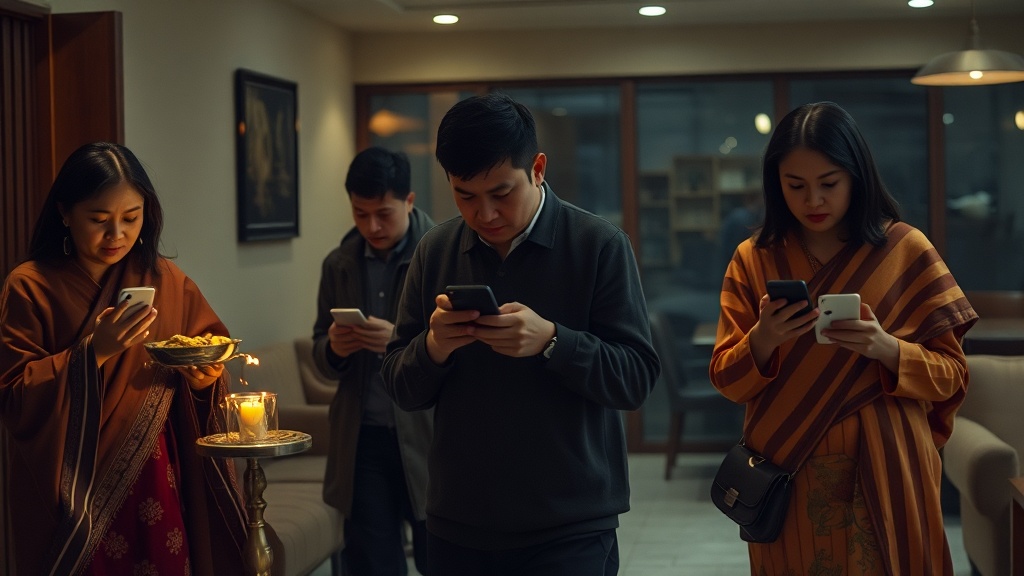
우리 직장 가가지고 맨 날 집에 밥 먹으러 들어온다 이카면 이거 잘 된 게 아니거든요.
10:45
직장에 가더라도 친구하고 밥 먹고, 동료하고 밥 먹고, 뭐 바깥에서 또 이렇게 직장 끝나고 나면 누구하고 만나서 밥 먹고, 뭐 이렇게 해 가지고 차도 마시고 이카며 사회적으로 넓어 가야 되는.
그런 거지 집 안에 와서 그 저 우리가 다 커가지고 사회생활하는 사람들이
그걸 사회생활이라고 그러잖아요?
사회생활을 하는데, 엄마 아빠하고 가서 맨날 밥 먹으려고 그러고, 차도 엄마 아빠하고 먹으려고.
뭐가 안 맞아요 이게.
사회 친구하고 밥 먹죠. 또 또 차 마시고 대화하고, 또 우리 그 동료들하고 그렇게 하고, 바깥에서 사귄 사람하고 가까워져야 된단 말이죠.
11:30
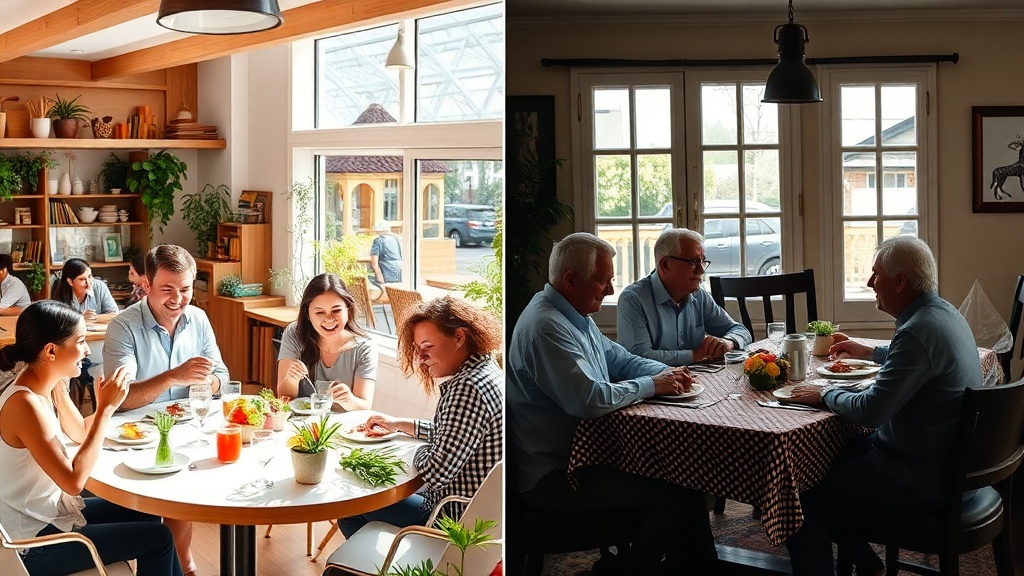
그렇게 해야 되는데, 자꾸 이제 집 안으로 들어올라 그러면, 그러면 할 일이 밖에서 만날 사람이 없어지고 있다는 소리를 지금 하는 거죠.
다시 그 뭐라 그러나? 돌아온, 집에서 커갖고 밖으로 내보냈는데 다시 집으로 돌아오는 거야.
바깥에 사람들하고 잘 못 지내다 보니까, 자꾸 내가 또 엄마 옆에 가가지고 또 같이 기댈려고 그러면,
이거는 뭐 키운 것도 아니고 다시 회향을 해버리는 아주. 요렇게 되는 거예요.
그래서 우리는 지금 이 사회가 부모님을 뵙고 또 가족을 뵙는 거는 늘 봐요.
일주일에 한 번 하다가 안 되면은 한 달에 한 번쯤은 우리가 볼 수 있는 그런 환경은 만들어져 있단 말이죠. 아무리 멀어도
12:29
그렇게 되는데, 우리가 명절이라고 막 전부 다 글로 쏠려 갖고 가는데,
가가지고 이게 행동하는 거 환경을 이래 쳐다보면,
느그는 안 오는 게 나았는데 이래. 안 오는 게 나았는데.
왜? 현장에 직접 있든지, 어디에 같이 가까운 사람들하고 좀 멀리 여행도 가든지.
좀 시간 내 가지고, 우리 이게 그 저거 한 번 어떻게 날 잡아가지고, 우리 저쪽에 그 뭐 리조트 가가지고, 우리 몇 명 이거 팀 만들어 갖고 거기 가서 한번 즐기면서 그런 것도 좀 하든지,
무슨 자꾸 이렇게 해서 사회적으로 자꾸 노력을 해야 되는데,
명절만 되면 집에 온다고 난리예요. 집에.
집에 오면 뭐 하는데? 집에 오면.
그 집에 와가지고 그냥 만나고 또 만나는데도 어떤 때는 또 뭐 반가워 갖고 만나는 것도 있지만 늘 봤으니까 반갑지도 안 해요.
"어 왔나?" 이래. "왔나?"
늘 만날 수 있는 환경이 되다 보니까 명절날 오면, "왔나"라니까 "왔나."

13:44
되게 반가워지는 그게 아니란 말이야.
왜? 과거에는 저 우리가 성장을 할 때 기본적인 성장을 할 때는, 뭐 뭐 저 우리 통일 열차 이런 걸 타고 다녀야 됐으니까. 시간이 어지간해도 집에 잘 못 갔다 왔는데.
지금은 승용차 타고 그냥 뭐 어디 아침에 가면 낮에 집에 가는데.
쉬는 날이 작게 있나요?
뭐 이게 보통 일주일에 이틀은 쉬고, 뭐가 낑기면(끼이면) 3일 쉬고 이 하니까, 집에 가는 게 그렇게 어려운 시대가 아니거든요.
늘 만나면서 명절날 또 한가위 또 만난다. 한가위 만났는데 뭘 했는데?
그리고 이제, 조상에 우리가 그 제를 올리고 이런 것들도 자꾸 바뀌어야 됩니다.
바뀌어야 되고, 조선시대 제 올리는 거 하고, 지금 우리 시대의 조상들을 다스리는 게 달라져야 되는데, 맨 거기에다가 발목 잡혀 갖고 틀에 갇혀 가지고 그러고 있으니까.
우리가 발전을 했어도 우리 생활에 질이 높으게 사는 거는 한계에 딱 부딪혀 가지고 못 넘어가고 있는 거.
요런 것들을 우리가 조금 참조해야 되고.

15:00
그리고 그 홍익사행도에 분명히 가르쳐 드리잖아요.
이게 우리가 와닿는다라고 하면 제일 먼저 뭐를 하라 그래? 이웃이죠.
내가 사는 이웃을 먼저 보살피려고 노력을 해야 되는 거죠.
이것이 우리 선조님들한테 우리는 다 컸다라고 어느 정도 성장한 걸 가르쳐 주는 겁니다.
이웃을 살필 줄 알아야 된다. 이게 홍익인간이에요.
그다음에 무엇을 해라 그래? 사회를 살피라고 그랬죠.
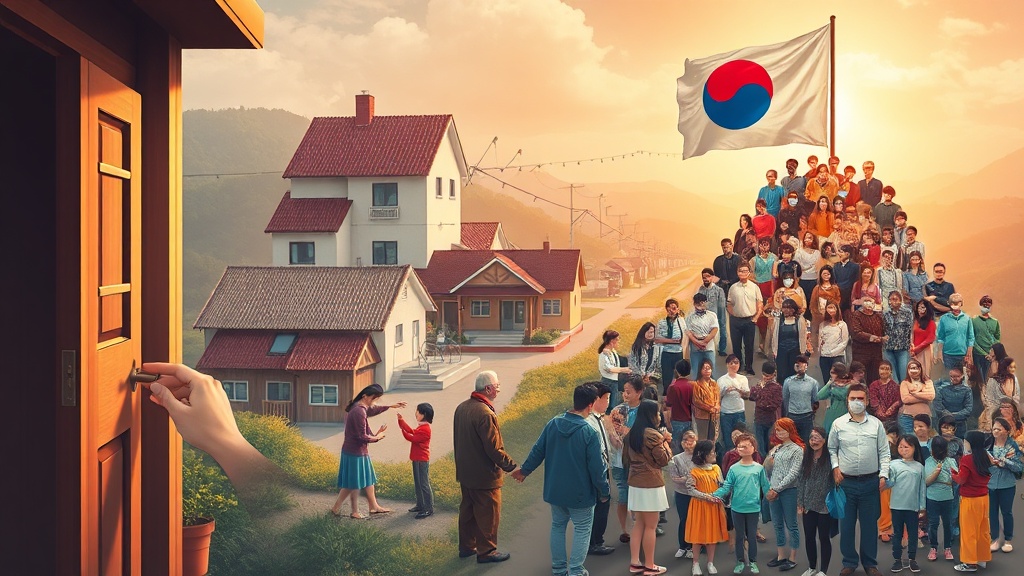
이웃 다음에 사회를 살피고, 사회를 살피고 나면 나라를 살피고, 나라를 살피고 나면은 우리가 인류를 살필 수 있는 천손들로서 자기 역할을 하기 위해서 성장을 한 거예요.
근데 요런 것들을 우리는 너무 내 바로 옆에를 지금 손대지 못하고.
우리가 생각을 할 때, 우리가 지금 공부하면 무슨 생각을 하는지 나는 알아요.
16:05
인류 공영에 이바지하고 싶다고.
이거는 아주 지금 뭐 전부 다 그러고 있어.
내가 안 되니까 안 하는 게 아니고.
하고 싶지, 그런데 못 해.
왜 못 해? 네 이웃도 편하지 않고, 이웃을 살피지 못하는 게 어떻게 인류 공영에 이바지를 하겠다고 나오면, 그게 이루어질까? 안 이루어집니다.
요런 거를 우리가 지역 지역마다의 우리가 그런 거를 못 하는 게 아니고, 생각을 못 하고 지나간다는 거죠.
그럴 때는 우리가 반상회도 있었고 뭐도 있었고 이런 거 모임체가 있잖아요.
이 아파트도 모이고 이렇게 하면 조금 저 조금 그래 요 외로운 분들,
"요런 분들을 좀 체크해가지고, 우리는 그런 걸 한 번씩 하면 좋아 좋겠다."
뭐 이런 것들도 좀 하고 이렇게 해야 되지 않느냐?
왜? 소외됐다라는 것은 소외된 사람의 만큼의 질량을 우리가 소외되지 않은 사람한테 오는 거예요.
요런 거 혜택을 누렸다라고 하면은 이것도 어느 정도 성장을 하고 나면 이런 데를 살피면서 할 줄 알아야 그것이 이 홍익인간들의 본모습이 나오는 거거든요.

17:27
그러면 소외됐는데도 그렇게 사회가 살펴주면 감정을 이렇게 나쁘게 안 가져요.
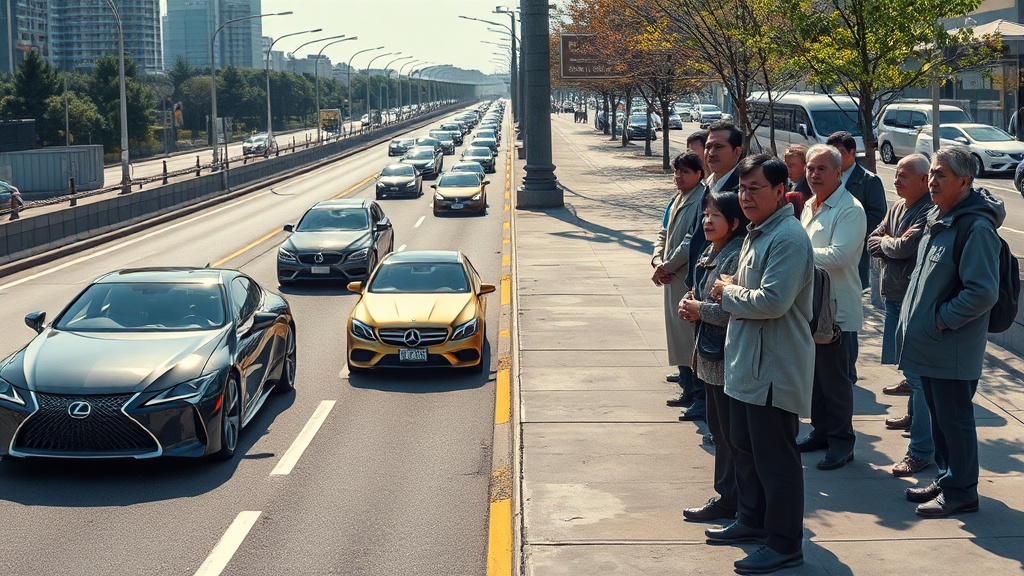
근데 살펴주지도 안하고 저거 잘났다고, 저거는 뭐 이렇게 그 저거 뭐 렉서스 타고 저거는 벤츠 타고, 그러고 저거 잘났다고 찔락거리니까 이거는 완전히 멀어져 버리는.
요 요런 게 조금 우리는 생각을 할 필요가 있죠 우리가.
추석 하니까 계속 뭐 그냥 뭐 추석은 조상이 어떻고, 가족이 어떻고, 뭐 이렇게 해갖고 뭐 한가위가 어떻고, 뭐 잘 먹으면 된다는 둥 뭐, 이것만 생각할 때가 아니라는 거죠.
이 사회는 하나예요. 둘이 아니라니까.
한 군데가 이 썩고 있으면 그 여파가 지금 위로 지금 가는 거거든요 이게.
그래서 우리는 그런 데 아주 잔잔하고 하찮은 것 같지만,
그런 데서 잘못된 것이 지금 오늘날 우리 인생하고 같이 맞물고 간다라는 걸 알아야 되고.
그래서 주위를 우리가 어떻게 지혜롭게 조금씩 노력을 하느냐에 따라서 이제 우리 앞길이 막 풀리고 막 그런단 말이죠.
18:44
그러니까 한번 둘러보고 가거라. 또 한번 둘러보고 가거라.
이런 것들이 몇 번 있는데도 그런 걸 소외시키면, 그러면 우리가 가는 게 굉장히 힘들어져.
왜? 뒤에서 소외된 사람들이 발목을 잡고 있는 거죠.
아 또 이렇게 귀신들을 이렇게 안 다스려 주니까 귀신들이 또 발목을 잡는 거죠.
뭔가 이게 우리 발목 잡는 게 뭔지를 잘 모르는 거죠.
그래서 우리가 뭔가를 하고자 하는데도 이상하게 뒤틀어지고 뭐 잘 안 되고 할 때는 이유가 분명하다.
이 원리를 따져보면, 0.1mm도 틀리지 않게 이 자연은 운용을 한다라고 분명히 이야기를 했는데.
자꾸 힘들고 어렵고 하니까 그 코앞만 자꾸 쳐다보려고 하는.
우리가 여기서(머리) 뭐 안 돌아가는데 발하고는 상관없는 줄 알아요.
발이 제일 멀잖아요, 여기서(머리).
인체에서.
발하고 상관없는 줄 안다니까.
발에 가시 요만한(작은) 것만 있어도요 이게(머리) 잘 안 돌아가, 머리가.
이제 그런 걸 우리가 조금 이게 요 하나의 우리는 사회라는 게 하나의 생명체라는 거죠.
19:59
생명체지만, 요런 것들을 조금씩 조금씩 우리가 돌보기만 해도 우리 앞날에 풀려가는 거는 확 달라집니다.
요런 거 추석 때 이럴 때 가족 좋은 줄은 알지만,
우리 이웃도 조금 우리가 살펴보는 것이 좋지 않는가?
그런 걸 우리가 조금 생각을 해야 될 겁니다.
예.

(참석자들이 박수를 친다)
2. 강의 내용 요약 (Summary of the Attached Lecture Content)
한국어 요약
천공 스승님께서는 추석의 본질이 시대의 흐름에 따라 변화해야 함을 강조하셨습니다. 과거 추석이 곡식 추수와 조상님께 감사하는 의미였다면, 현대 대한민국의 성장기에는 명절의 의미를 확장하여 사회적으로 소외된 이웃들을 살피고 돌보는 시기로 만들어야 한다고 하셨습니다. 특히 가을에 성과를 내지 못하거나 어려움을 겪는 이들이 소외되지 않도록 각 동, 시, 면 단위에서 이들을 보살피는 노력이 필요하며, 이러한 사회적 연대가 전체 사회의 발전에도 중요하다고 역설하셨습니다. 가정 내에서의 피상적인 만남 대신, 사회적으로 관계를 확장하고 홍익인간의 이념처럼 이웃, 사회, 국가, 인류를 살피는 본연의 역할에 충실해야 한다고 조언하셨습니다. 진정한 성장은 혼자만이 아닌, 주변을 함께 아우르는 데서 시작됨을 강조하며, 추석이 그러한 지혜로운 실천의 계기가 되어야 한다고 역설하셨습니다.
English Summary
Master Cheon-gong emphasized that the essence of Chuseok (Korean Thanksgiving) must evolve with the times. While Chuseok traditionally signified harvest and gratitude to ancestors, in modern Korea's developmental phase, its meaning should expand to include caring for socially marginalized neighbors. He stressed the importance of local communities (villages, cities, districts) actively looking after those who face difficulties or lack achievements during the autumn season, stating that this social solidarity is crucial for overall societal progress. Instead of superficial family gatherings, individuals should broaden their social connections and align with the ideal of Hongik Ingan (benefiting all humanity) by caring for neighbors, society, nation, and mankind. He highlighted that true growth begins not just individually, but by encompassing those around us, urging Chuseok to be an occasion for such wise practice.
中文摘要
千空大师强调,中秋节的本质应随时代变迁而发展。如果说过去的中秋节是感恩丰收和祖先的节日,那么在现代韩国的发展阶段,其意义应扩展至关爱社会中的弱势群体。他指出,在秋季面临困难或缺乏成就的人不应被边缘化,各乡镇、市、区应努力照顾这些人,并强调这种社会团结对整个社会进步至关重要。他建议,人们不应局限于表面化的家庭聚会,而应拓展社会关系,秉持“弘益人间”(广益人类)的理念,致力于关爱邻里、社会、国家乃至全人类。他强调,真正的成长并非仅限于个人,而在于包容周围的一切,并呼吁中秋节成为实践这种智慧的契机。
日本語要約
チョンゴン師は、秋夕(チュソク、韓国の旧盆)の本質が時代の流れとともに進化する必要があると強調しました。過去の秋夕が収穫と祖先への感謝を意味していたとすれば、現代韓国の成長期においては、その意味を広げ、社会的に疎外された隣人を配慮し、支える時期にすべきだと述べました。特に秋に成果を出せなかったり、困難に直面している人々が置き去りにされないよう、各地域(洞、市、面)で彼らを世話する努力が必要であり、このような社会的連帯が社会全体の発展にも重要だと力説しました。家族内での形式的な集まりにとどまらず、社会的な関係を広げ、「弘益人間」(広く人間世界に貢献する)の理念のように、隣人、社会、国家、そして人類全体を配慮する本来の役割を果たすべきだと助言しました。真の成長は個人だけではなく、周囲を巻き込みながら始まることを強調し、秋夕がそのような賢明な実践の契機となるべきだと主張しました。
3. 핵심 키워드 (Core Keywords)

각 키워드 설명 (Explanation of Each Keyword - Korean)
*새 시대의 추석 : 과거 농경사회에서 수확에 감사하고 조상께 제사를 지내던 추석의 의미가, 현대의 고도 성장 및 진화 시대에는 그 본질을 변화시켜 사회 전체의 화합과 발전에 기여해야 한다는 강의의 핵심 메시지입니다.
*사회적 책임 : 개인이나 가족을 넘어 사회 구성원으로서 이웃, 특히 어려움을 겪는 이들을 보살피고 함께 발전하려는 의무와 역할을 의미합니다.
*도태된 이웃 : 빠른 사회 변화와 성장 과정에서 소외되거나 뒤처진 사람들을 지칭하며, 이들을 외면할 경우 사회 전체의 발목을 잡게 된다는 경고와 함께 이들에 대한 관심을 촉구합니다.
*홍익인간 : '널리 인간을 이롭게 한다'는 고조선의 건국 이념으로, 강의에서는 개개인의 이웃과 사회를 살피는 것으로부터 시작하여 국가와 인류 전체에 기여하는 자세를 강조하는 데 사용되었습니다.
*사회적 성장 : 개인의 발전뿐만 아니라, 공동체 전체가 조화롭게 발전하며 관계의 폭을 넓히는 것을 의미합니다. 집 안에만 머물지 않고 외부로 확장되는 인간관계를 통해 진정한 성장이 이루어진다고 봅니다.
*지혜로운 실천 : 시대의 변화를 올바르게 인식하고, 과거의 고정된 관습에 얽매이지 않으며, 현재 상황에 맞는 새로운 해결책과 행동 방식을 능동적으로 찾아 적용하는 것을 말합니다.
4. 이 강의 내용 중 가장 중요한 포인트
가장 중요한 포인트: 새 시대의 추석, 사회적 연대로 도태된 이웃을 살피는 홍익인간의 명절로 변화해야 합니다.
내용 요약:
천공 스승님께서는 현대 사회에서 추석은 단순히 조상께 감사하고 가족이 모이는 전통적인 명절의 의미를 넘어, 고도 성장 과정에서 발생한 사회의 소외된 이웃들을 적극적으로 보살피고 연대하는 '사회적 책임의 명절'로 변화해야 한다고 강조하셨습니다. 이러한 실천은 홍익인간의 정신을 구현하며, 개인이 아닌 사회 전체가 함께 성장하는 진정한 지혜로운 방향임을 역설합니다. 소외된 이들을 외면하면 결국 사회 전체의 발목을 잡아 성장을 저해한다는 경고와 함께, 추석이 그러한 사회적 나눔과 희망을 나누는 계기가 되어야 한다고 하셨습니다.
5. 이 강의 내용에서 배울 점 / 시사점 / 현대인의 삶에 적용할 수 있는 교훈 / 앞으로 나아가야 할 방향
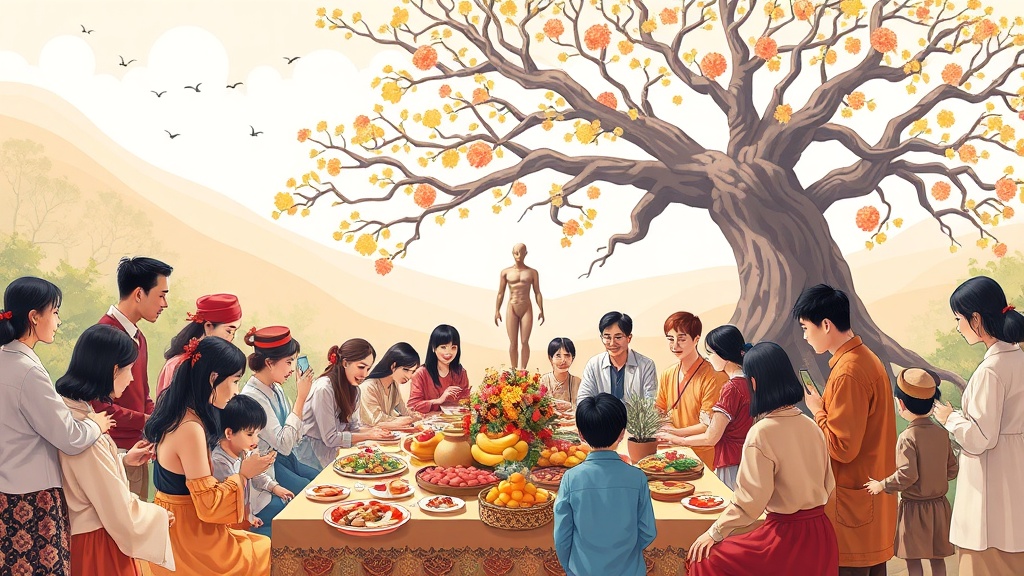
1. 배울 점 및 시사점 (Learnings and Implications):
*전통의 본질적인 진화 : 전통과 풍습은 고정된 것이 아니라 시대와 환경에 맞춰 진화해야 합니다. 특히 추석과 같은 명절의 본질적인 의미를 현대적 관점에서 재해석하고 사회적 기능을 확장해야 한다는 시사점을 줍니다.
*사회는 유기체적 존재 : 우리 사회는 마치 하나의 생명체와 같습니다. 발가락에 작은 가시 하나만 박혀도 온몸이 불편한 것처럼, 일부 소외된 구성원을 방치하면 결국 사회 전체가 정체되거나 병들 수 있다는 점을 분명히 알려줍니다.
*진정한 성장의 의미 : 개인의 물질적 풍요나 고립된 가족 중심의 행복이 아닌, 사회적 관계를 넓히고 주변 이웃의 어려움을 함께 나누며 전체 공동체가 조화롭게 성장하는 것이 진정한 발전이라는 깊은 깨달음을 줍니다.
*'홍익인간' 사상의 현대적 적용 : '널리 인간을 이롭게 한다'는 홍익인간 사상이 추상적인 이념이 아니라, 가장 가까운 이웃부터 시작하여 사회, 국가, 인류로 확장되는 구체적이고 실천적인 삶의 지표가 될 수 있음을 보여줍니다.
2. 현대인의 삶에 적용할 수 있는 교훈 (Lessons for Modern Life):
*나의 명절 다시 생각하기 : 추석이나 설날 같은 명절을 단순히 '가족 모임'이라는 틀에 가두기보다, 내가 속한 지역 사회와 주변 이웃을 돌아보는 '사회 공헌의 시간'으로 활용하려는 마음을 가지는 것이 중요합니다.
*사회적 관계망 확장 노력 : 가족이라는 울타리 안에만 머무르지 않고, 직장 동료, 친구, 지역 주민들과의 관계를 적극적으로 확장하고 소통하는 노력을 해야 합니다. 진정한 사회적 성장은 바로 여기서 시작됩니다.
*주변에 대한 관심과 작은 실천 : 우리 주변에 도움의 손길이 필요한 이웃은 없는지 관심을 가지고 살펴보는 습관을 들여야 합니다. 거창한 일이 아니어도, 따뜻한 말 한마디, 작은 나눔 등 일상 속의 작은 실천이 큰 변화를 만들 수 있습니다.
*사회 시스템에 대한 이해와 활용 : 우리 사회에는 이미 어려움을 돕기 위한 다양한 제도와 시스템(동사무소, 주민센터 등)이 잘 갖춰져 있습니다. 이러한 시스템의 존재를 인지하고, 필요할 때 활용하거나 혹은 적극적으로 참여하여 사회적 책임을 다하는 주체적인 시민의식을 발휘해야 합니다.
3. 앞으로 나아가야 할 방향 (Directions for the Future):
*공동체 중심의 명절 문화 조성 : 정부, 지자체, 그리고 민간 단체가 협력하여 '이웃과 함께하는 명절' 캠페인을 펼치고, 지역 단위의 나눔 행사나 소외 계층 지원 프로그램을 더욱 확대해야 합니다.
*'홍익인간' 가치의 교육 강화 : 학교 교육 및 사회 교육에서 '홍익인간' 정신을 단순한 역사적 사실이 아닌, 현대 사회의 중요한 가치이자 실천적 윤리로 가르치고 체득하도록 이끌어야 합니다.
*사회적 약자에 대한 인식 개선 및 지원 강화 : 미디어와 교육을 통해 사회적 약자에 대한 편견을 해소하고, 이들을 단순히 '도움을 받는 대상'이 아니라 '사회 구성원으로서 함께 성장할 대상'으로 여기는 인식의 전환을 유도해야 합니다. 동시에 실질적인 지원책을 마련하여 자립을 돕는 환경을 조성해야 합니다.
*개인의 책임 있는 사회 참여 독려 : 시민들이 자발적으로 지역 사회 문제에 관심을 갖고, 다양한 형태로 봉사하며 참여할 수 있는 기회와 문화를 만드는 것이 중요합니다. 개인의 작은 노력이 모여 사회 전체의 역량을 키우는 방향으로 나아가야 합니다.
6. 이 강의를 한줄평 하자면
"옛 전통의 그림자를 넘어 '지금 여기' 우리의 이웃을 품고 함께 나아갈 때, 비로소 모두가 진정한 풍요를 누리는 '새 시대의 추석'이 열릴 것임을 선언하는, 우리 시대에 꼭 필요한 공동체 성장론."
7. 강의 내용 AI 번역 (영어권 독자를 위한 자연스러운 번역 및 완벽한 직역)
강의 제목 (Lecture Title)
원본 한글:
13806강 새 시대가 요구하는 추석[천공 정법]
*자연스러운 번역 (Natural Translation)
Lecture 13806: Chuseok Demanded by the New Era [Cheon-gong Jeongbeop]
*완벽한 직역 (Literal Translation)
Lecture 13806: Chuseok That a New Era Demands [Cheon-gong Jeongbeop]
---
*게시일자, 강의시간, 강의일자 (Posting Date, Lecture Duration, Lecture Date)*
*원본 한글
게시일자 : 2025.10.10 금.
강의시간 : 20분 31초
강의일자 : 2025.10.06 울산.
*자연스러운 번역 (Natural Translation)
Posted On: October 10, 2025 (Friday)
Lecture Duration: 20 minutes 31 seconds
Lecture Date: October 6, 2025, Ulsan
*완벽한 직역 (Literal Translation)
Posting Date: 2025.10.10 Friday.
Lecture Time: 20 minutes 31 seconds
Lecture Date: 2025.10.06 Ulsan.
---
### 질문 (Question)
*원본 한글
00:01
추석은 조상님께 감사드리고 가족과 함께하는 전통의 명절이지만, 정법의 관점에서 보면 단순한 풍속을 넘어 천지의 순환과 인간의 영적 성장과 관련이 있을 것 같습니다. 오늘날 많은 사람들이 명절의 본질을 잊고 형식이나 편리함에 치우치고 있는데, 추석이 가진 본래의 의미와 기운은 무엇이며, 이 시기에 우리가 어떤 마음가짐과 실천을 하면서 입을 띠고 바른 삶으로 나아갈 수 있을지 가르침을 청합니다.
*자연스러운 번역 (Natural Translation)
00:01
Chuseok is a traditional holiday where we express gratitude to our ancestors and spend time with family. However, from the perspective of Jeongbeop (the Right Path/Dharma), it seems to go beyond a simple custom, relating to the cosmic cycle and humanity's spiritual growth. Nowadays, many people forget the true essence of the holiday, leaning towards formalities or convenience. We ask for your teachings on the original meaning and energy of Chuseok, and what mindset and practices we should adopt during this time to speak up and move towards a righteous life.
*완벽한 직역 (Literal Translation)
00:01
Chuseok is a traditional holiday giving thanks to ancestors and being with family, but from the perspective of Jeongbeop, it seems to be related to the circulation of heaven and earth and humanity's spiritual growth beyond simple custom. Today, many people forget the essence of the holiday and are biased towards formality or convenience. We ask for teaching on what is the original meaning and energy Chuseok has, and what mindset and practices we can do during this period to open our mouths and proceed to a right life.
---
### 답변 (Answer)
*원본 한글
00:42
우리가 그 성장할 때 우리가 추석이라는 거 하고, 우리가 지금 진화할 때 추석하고 요기 좀 색깔이 틀리죠. 추석 하면 뭐예요? 곡식이 익어 가지고 조상들한테 이 곡식을 추수해갖고 우리 외국으로 이야기하면 추수 감사절이나 같은 거죠. 추수 감사절. 그런 거나 같은 것인데, 지금 우리가 진화할 때는 ‘추수 감사절이 있고 추석이 있고, 조상님들께 농사가 잘 됐다’라고 좋은 열매를 바치고 이렇게 예를 갖추고 하던 게 맞죠?맞는데, ‘지금 현재는 어떠냐?’라는 거지. 지금 현재. 그러면 우리가 진화기를 마치고 ‘대한민국 추석은 어떻게 될 거냐?’라는 거. 진화기 때는 조선 추석이에요. 조선 추석. 그러면 우리 선조님들이 살던 방법에 있어 가지고 추석이라 해가지고 그런 기일을 정하고, 그냥 한가위라 해가지고 모여서 같이 이렇게 우리 선조님들 방식으로 해갖고 사회가 운영이 되던 때. 근데 지금 대한민국 시대를 열기 위해서 우리는 성장을 했습니다.
*자연스러운 번역 (Natural Translation)
00:42
When we were in the growth phase, Chuseok had one color, but now, as we evolve, Chuseok has a slightly different hue. What is Chuseok? It’s when grains ripen, and we harvest them to offer to our ancestors, much like Thanksgiving in Western cultures. Thanksgiving. It's akin to that, isn't it? It was right to have a harvest festival, Chuseok, and to offer good fruits to our ancestors, expressing gratitude for a successful harvest and paying respects. But the question is, "What about now?" What about the present? So, after this period of evolution, "What will Chuseok in South Korea become?" During the period of evolution, it was Joseon Chuseok. Joseon Chuseok. It was a time when our ancestors lived their lives, designated such dates as Chuseok, and gathered together for "Hangawi" (another name for Chuseok), running society in their ancestral way. But now, to open the era of South Korea, we have grown.
*완벽한 직역 (Literal Translation)
00:42
When we were growing up, Chuseok, and now that we are evolving, Chuseok, the color is a bit different. What is Chuseok? It's when grain ripens, and harvesting this grain to ancestors, if we talk about it abroad, it's like Thanksgiving. Thanksgiving. It's like that, but now that we are evolving, it was right to have Thanksgiving, to have Chuseok, to offer good fruits to our ancestors, saying "the farming went well," and to show respect like this, wasn't it? Yes, but "What about now?" That's the question. Right now. Then, after we finish the evolution period, "What will South Korea's Chuseok be like?" During the evolution period, it was Joseon Chuseok. Joseon Chuseok. So, in the way our ancestors lived, a date like Chuseok was set, and just called Hangawi, people gathered together, and society was operated in our ancestors' way. But now, to open the era of South Korea, we have grown.
---
*원본 한글
02:21
그러면 성장을 한 대한민국에서 추석은 어떻게 지낼 거냐? 이름은 그대로 놔두더라도. 곡식이 무르익을 때라든지, 우리가 봄부터 열심히 활동을 해 갖고 성과를 이룰 때라든지 뭔가 지금 성과가 일어날 때 라는 거죠. 그럼 성과가 일어날 때 되가 그때 되면 우리가 계절이 가을이 되니까. 성과가 일어난 우리 성과를 가지고, 좀 성장기에는 도태되는 사람도 많고, 조선시대는 도태되는 사람이 많은 게 아니고 층층이 사람이 있는 거예요 이렇게. 상민도 있고, 양반님네도 있고, 사대부도 있고, 그러니 우리가 관료가 있고, 밑에 일을 하는 그런 사람도 있고, 백성들이. 근데 지금은 우리가 이 관료와 백성과 이렇게 따지는 게 아니고, 이 나라가 성장을 하는 데에 대한민국 사회는 어떻게 성장을 했으며, 몇 십 년 만에 어떤 변화가 일어났으며, 이런 속에서는 우리가 성장을 한다라는 것은 도태되는 사람도 많게 되어 있는 거죠. 그러면 도태되는 사람들은 가을에 굉장히 추석을 즐겁게 지낼 거냐? 괴롭게 지내는 우리 국민들이 많게 돼 있죠.
*자연스러운 번역 (Natural Translation)
02:21
So, in a grown-up South Korea, how should Chuseok be celebrated? Even if the name remains the same. It's a time when grains ripen, or when we've worked diligently since spring to achieve results – it's a time when some kind of outcome emerges. When results come, the season becomes autumn. With these achievements, during a period of growth, many people also get left behind. In the Joseon era, it wasn't that many people were left behind; rather, there were distinct social strata: commoners, nobles, literati, government officials, and those who worked below them, the common people. But now, we're not talking about officials versus commoners; we're talking about how South Korean society has grown and changed over several decades. In such a context, growth inevitably means many people will be left behind. Will these marginalized individuals celebrate Chuseok joyfully in autumn? Many of our citizens will find it difficult and painful.
*완벽한 직역 (Literal Translation)
02:21
Then, in a South Korea that has grown, how will Chuseok be spent? Even if the name is kept. It's when crops ripen, or when we work hard from spring to achieve results, it's a time when some result happens. So, when results happen, then the season becomes autumn. With our results that have happened, in a growth period, there are also many people who get eliminated. In the Joseon period, it wasn't that many people were eliminated, but there were layers of people like this. There were commoners, and nobles, and literati, so we had officials, and people who did work below them, the common people. But now, we're not counting officials and commoners like this; in this nation's growth, how South Korean society grew, what changes happened in a few decades, and in this, for us to grow means many people will be eliminated. So, will those eliminated people have a very enjoyable Chuseok in autumn? There are many of our citizens who spend it painfully.
---
*원본 한글
03:57
요럴 때는 우리가 추석이 되면은, 각 동이라든지, 시라든지, 뭐 면이라든지 이런 곳에서 도태된 분들을 지금 살펴야 되요. 그러한 이 명절이 됐으면 얼마나 좋을까? 도태된 분들, 그러니까 성장한 사람이 있으면 도태된 사람이 있고, 도태됐어도 저 밑에 30% 밑으로 도태된 사람이 있고, 거기서 더 따지면 더 힘든 사람은 10% 밑에 있고, 뭐 이런 분들을 우리는 평소에 잘 이렇게 좀 선별해 가지고, 그런 분들이 우리가 가을의 즐거움이라도 같이 조금 가면서 앞으로 희망도 살펴가면서, 같이 손잡고 내년에는 어떻게 어떻게 해보려고 노력을 하는, 요러한 명절을 가지면 어떨까?
*자연스러운 번역 (Natural Translation)
03:57
In such times, when Chuseok comes, we need to look after those who have been left behind in each neighborhood, city, or district. How wonderful would it be if the holiday became like that? Those who are marginalized – meaning, if there are people who have grown, there are also those who have been left behind. And among those left behind, some are below 30%, and if we look deeper, some are even below 10%. What if we thoughtfully identify these individuals beforehand, so that they can also share a bit of the autumn's joy, consider future hopes, and together hold hands and strive for something in the coming year? How would a holiday like that be?
*완벽한 직역 (Literal Translation)
03:57
In times like this, when Chuseok comes, in each neighborhood, city, or district, we must now look after those who have been eliminated. How good would it be if this holiday became like that? Those who have been eliminated, that is, if there are people who have grown, there are people who have been eliminated, and even if eliminated, there are people eliminated below 30% down there, and if we further analyze, even more difficult people are below 10%, and we usually sort out such people well like this, so that those people can go a little together even with the joy of autumn, and also look into future hopes, and holding hands together, try to do something next year, how about having such a holiday?
---
*원본 한글
04:53
그러면 우리가 지금 농사짓는 때가 아니고, 기업을 한다든지 생산품들이 전부 다 다양하단 말이죠. 문화도 생산을 하고, 제품도 생산을 하고, 뭔가 사회에 필요한 이 첨단도 생산을 하고, 이런 것들을 많이 이렇게 하고 있는데, 좋은 차도 많이 만들어가 많이 타고 뭐 이렇게 하는데, 그 도태된 사람들은 그런 거를 느끼지 못하고 살고 있으면서 굉장히 암울하고 힘들고 이렇게 있는 국민이 많다라는 것은, 결국은 성장한 사람들도 거기에 결국은 발목이 잡힌다라는 것도 우리가 알아야 돼.성장할 때는 괜찮은데, 성장이 70% 올라가갖고 100%로 갈 때는, 도태된 사람들을 그냥 방치해 두면 여기에 발목이 잡힌다라 거. 발목이 잡혀가지고 70% 이상에서는 성장치도 못하고 중간에서 멈춰버리는. 요런 일들이 벌어지는 거야. 그게 지금 대한민국 사회. 전부 다 부작용이 드러나고 있는 사회거든요. 요런 거를 우리가 살피지 않고 그냥 간다면, 우리는 발목 잡혀 갖고 있는 시간도 굉장히 시간이 오래 걸릴 것이고, 멈춘 시간이 오래 걸리면 여기서 잡티가 생길 것이고, 오만한 일이 다 일어나기 시작을 합니다.
*자연스러운 번역 (Natural Translation)
04:53
So, we are not farming anymore; we are engaging in businesses, and our products are all diverse. We produce culture, we produce goods, we produce cutting-edge technology that society needs. We make and drive many good cars, for example. But the fact that many marginalized citizens cannot experience these things and live in great gloom and hardship means that even those who have grown will eventually be hampered. It’s fine during the growth phase, but when growth reaches 70% and tries to move to 100%, if we simply neglect those who have been left behind, our progress will be stalled. This impediment will prevent further growth beyond 70%, causing us to halt in the middle. These kinds of things are happening. That is current South Korean society. It's a society where all the side effects are becoming apparent. If we ignore these issues and just carry on, the time we spend being hampered will be very long. And if the stalled time is long, impurities will arise, and all sorts of terrible things will begin to happen.
*완벽한 직역 (Literal Translation)
04:53
So, now is not the time when we farm, but we do businesses, and products are all diverse. We produce culture, we produce products, we produce this advanced technology needed by society, and we are doing many of these things. We make many good cars and drive them, but the fact that many eliminated people live without feeling such things, in great gloom and hardship, means that even grown people will ultimately get their ankles caught there. We must know this. It's fine during growth, but when growth goes up 70% and tries to go to 100%, if we just leave the eliminated people neglected, our ankles will get caught here. With ankles caught, beyond 70%, we can't even grow, but stop in the middle. These kinds of things happen. That's current South Korean society. It's a society where all side effects are appearing. If we don't look into such things and just go, the time we are caught by the ankles will be very long, and if the stopped time is long, impurities will arise here, and all sorts of arrogant things will begin to happen.
---
*원본 한글
06:25
벌레도 생기고, 곰팡이도 썰고. 그러면 이 사회가 어떻게 돌아갈 것인가? 우리는 요까지 생각을 못 하는 거죠. 이웃, 이웃 하면서도 우리는 요 근본의 원리를 조금 이렇게 따져서, 그러면 우리가 이 마을에서도 실질적인 가호 가호를 살피는 책임자들, 우리 마을에. 그런 것들이 그쪽에서 우리가 회의할 때라든지 이럴 때도 요런 것을 우리가 조금 살피면 좋겠다. 그럼 그분들이 그런 거 이제 뭐 가가호호(家家戶戶) 이렇게, 어려운 집에는 방문하기가 쉬운 게 그분들이거든요.일반인들은 방문을 못 합니다. 그렇게 해서 조그마한 잔치라도 벌리고, 생활에 필요한 것들을 조금 이렇게 그래 다는 못해주지만, 어느 정도 우리가 나누고 뭐 요런 거를 해간다면, 그렇게 하기 위해서 우리가 시장 구청장 그 밑에 또 동장 반장 이 체계가 잘 돼 있거든요.
*자연스러운 번역 (Natural Translation)
06:25
Pests will breed, and mold will grow. Then how will this society function? We don't think that far. While talking about "neighbors," we don't quite consider the fundamental principle. So, in our villages, there are actual people in charge of looking after each household. It would be good if we considered such matters when we have meetings. These individuals can easily visit struggling homes, going house to house. Ordinary people cannot make such visits. So, if we could organize small gatherings, and share some necessities – even if we can't provide everything, if we share to some extent – to do that, we have a well-established system: the mayor, district chief, and below them, neighborhood chiefs and block leaders.
*완벽한 직역 (Literal Translation)
06:25
Bugs also appear, mold also grows. Then how will this society run? We don't think up to here. While saying "neighbor, neighbor," we don't quite calculate this fundamental principle. So, in this village, those in charge who actually look after every single household, in our village. It would be good if we considered such things when we have meetings there or at times like this. So, those people, such things, household by household like this, it's easy for those people to visit difficult homes. Ordinary people cannot visit. So, if we hold even a small feast, and give things needed for daily life a little bit, not all, but to some extent we share and do such things, to do that, we have a well-established system of mayor, district chief, and below them, neighborhood chief, block leader.
---
*원본 한글
07:35
거기서 파출소까지. 요샌 파출소를 안 그러던데 이름을 자꾸 고급으로 바꿨는데. 이제 그러한 아래 사람은 아래의 관료가 접근하기 쉽게 해놨고. 조금 위에 있으면 위에가 관료가 접근하기 쉽게 해놨고. 이런 걸 갖다가 대한민국처럼 잘 돼가 있는 데가 인류에 없습니다.국제사회에 없어요 세계적으로. 대한민국이 이런 걸 잘 해놓고 지금 이걸 운용을 잘못하고 있는 거죠. 근데 이제 그러한 사회를 우리가 만져가야 되지 않는가? 이제는 그 우리가 인류가 하나가 된다라고 하면, 대한민국은 더욱 한 가족이 아닌가? 그게 이제 한가위를 우리가 그런 데에다가 힘을 쓰면서 몇 년만 그렇게 해버리면 사회 환경이 어마어마하게 좋아지죠. 이제 이런 것들을 우리가 생각을 조금 해야 되고. 그리고 우리가 추석 이제 쉬고라도 또 추석 전이라도 명절이 되면은 항상 그런 데를 신경을 쓰면서 우리가
*자연스러운 번역 (Natural Translation)
07:35
Even up to the police box. They don't call them "police boxes" these days; the name keeps getting upgraded. So, for those lower down, the lower-level officials have made it easy to approach. For those a bit higher up, the higher-level officials have made it easy to approach. There is no other place in humanity, no other country globally, where such a system is as well-organized as in South Korea. South Korea has set this up so well but is currently mismanaging its operation. But shouldn't we be shaping such a society? If humanity is to become one, isn't South Korea even more like one family? If we direct our efforts towards such things for just a few years, using Hangawi (Chuseok) for this purpose, the social environment will improve tremendously. We need to think about these things a little. And during the holidays, even after Chuseok or before Chuseok, we should always pay attention to such matters as we...
*완벽한 직역 (Literal Translation)
07:35
From there, to the police box. These days, they don't call them "police boxes," but keep changing the name to a more高级 one. So, for those below, the lower officials made it easy to approach. If it's a little higher up, the upper officials made it easy to approach. There is no place in humanity, in international society, globally, that is as well-developed as South Korea in such things. South Korea has set up such things well, but is now mismanaging their operation. But shouldn't we be handling such a society? Now, if we say that humanity becomes one, isn't South Korea even more one family? If we put effort into such things for Hangawi (Chuseok) for just a few years, the social environment will become tremendously good. Now, we need to think about these things a little. And for Chuseok, even after Chuseok or before Chuseok, when it becomes a holiday, always paying attention to such places, we...
---
*원본 한글
08:52
지금 잘 보세요. 추석날 하면은 추석날 집에서 제(祭)를 지낸다고 우리가 모인다라고 하면, 제를 딱 끝나는과 동시에 밥은 대충 떠먹고 밖에 나가버려요. 그리고 추석날도 이렇게 제 뜨기 전에도 밖에서 실컷 놀다가 커피숍에 있다가 아 저 이게 들어온단 말이야. 이 집안 가족이 대화를 많이 안 해요.
*자연스러운 번역 (Natural Translation)
08:52
Now, look closely. On Chuseok day, if we gather to perform ancestral rites at home, as soon as the rites are over, we hastily eat some rice and leave. And even before the rites on Chuseok day, people play outside, hang out at coffee shops, and then just come home. Families in this household don't talk much.
*완벽한 직역 (Literal Translation)
08:52
Now, look carefully. If on Chuseok day, we gather to hold ancestral rites at home, as soon as the rites are finished, we roughly eat rice and go outside. And even on Chuseok day, before holding the rites, people play outside as much as they want, are in a coffee shop, and then come in. This family doesn't converse much.
---
*원본 한글
09:22
대화를 많이 하면 어떻게 되냐? 이제 누구 흉 보는 게 나오죠. 그러니까 우리가 만나는 게 2시간짜리밖에 안 되는 사람들이, 지금 우리가 가족들이 만나면 2시간이 마진선이에요 지금. 2시간은 만나가 굉장히 좋아. 왔다고 "왔나" 이렇게 사타가(하다가) 가는 거야. 아니 조금 좋다가 2시간만 지나면, 그때부터 네 언니는 네 형부는 뭐 뭐가 어떻고 저떻고 뭐 가는(누구는) 뭐 이래. 맨 날 남의 걸 끌어다가 지금은 부작용이 다 나올 수밖에 없는 시대니까, 그런 걸 가지고 자꾸 이야기하다 보니까 집에 오기가 싫어 그만. 근데 그렇게 하는데 이것이 우리가 왜 이렇게 되느냐? 이게 우리는 사회로 자꾸 성장을 해야 되는데, 사회로 우리가 접근을 하면 성장을 해야 되는데 자꾸 안에 머물고 있는 거예요. 안에. 우리가 성장을 했다라는 거는 널리 일이 많아지고, 내 주위가 넓어졌다라는 성장이거든요. 우리 직장 가가지고 맨 날 집에 밥 먹으러 들어온다 이카면 이거 잘 된 게 아니거든요.
*자연스러운 번역 (Natural Translation)
09:22
What happens if there's too much conversation? Then, criticizing others starts. So, we're people who can only spend about two hours together; right now, two hours is the limit for family gatherings. For two hours, it's great to meet. You say, "You're here," chat a bit, and then leave. Or, after a little good feeling, once two hours pass, then it starts: "Your sister, your brother-in-law, what about this, what about that," "So-and-so did this." We constantly bring up other people's affairs, and in this era where all sorts of side effects are inevitable, because we keep talking about such things, people just don't want to come home. But this is why we've become like this, isn't it? We should be growing socially, expanding our reach into society, but we keep staying inward. Inward. To say we've grown means our work has expanded widely, our surroundings have broadened. If you go to work and constantly come home just to eat, that's not a good sign.
*완벽한 직역 (Literal Translation)
09:22
What happens if we converse a lot? Now, criticizing someone comes out. So, people who can only meet for 2 hours, now when our families meet, 2 hours is the margin line. For 2 hours, meeting is very good. Saying "You came" and talking a little then going. No, after a little good, once 2 hours pass, from then on, "your elder sister, your brother-in-law, what about this and that," "who did what like this." Always dragging in other people's things, now is an era where all side effects inevitably emerge, so by repeatedly talking about such things, people dislike coming home, that's it. But why do we become like this? This is because we must constantly grow towards society, if we approach society, we must grow, but we keep staying inside. Inside. For us to have grown means our work has increased widely, our surroundings have broadened. If we go to work and constantly come home to eat, this is not a good thing.
---
*원본 한글
10:45
직장에 가더라도 친구하고 밥 먹고, 동료하고 밥 먹고, 뭐 바깥에서 또 이렇게 직장 끝나고 나면 누구하고 만나서 밥 먹고, 뭐 이렇게 해 가지고 차도 마시고 이카며 사회적으로 넓어 가야 되는. 그런 거지 집 안에 와서 그 저 우리가 다 커가지고 사회생활하는 사람들이 그걸 사회생활이라고 그러잖아요? 사회생활을 하는데, 엄마 아빠하고 가서 맨날 밥 먹으려고 그러고, 차도 엄마 아빠하고 먹으려고. 뭐가 안 맞아요 이게. 사회 친구하고 밥 먹죠. 또 또 차 마시고 대화하고, 또 우리 그 동료들하고 그렇게 하고, 바깥에서 사귄 사람하고 가까워져야 된단 말이죠.
*자연스러운 번역 (Natural Translation)
10:45
Even if you go to work, you should eat with friends, eat with colleagues, and meet someone outside after work to eat, drink tea, and expand socially. That's what it means. It's not about coming home and eating meals with mom and dad every day, and drinking tea with them, when we're all grown up and leading social lives – isn't that what we call a social life? It just doesn't fit. You eat with social friends. You also drink tea and converse. You do that with colleagues. And you should grow closer to people you've met outside.
*완벽한 직역 (Literal Translation)
10:45
Even if we go to work, eat with friends, eat with colleagues, and also after work, meet someone outside to eat, drink tea, and grow socially. That's how it should be, not coming home and we, who have all grown up and are doing social life, that's what we call social life, isn't it? Doing social life, always trying to eat with mom and dad, and trying to drink tea with mom and dad. Something doesn't match here. You eat with social friends. Also, drink tea and converse. And do so with our colleagues. And you should become close with people you've associated with outside.
---
*원본 한글
11:30
그렇게 해야 되는데, 자꾸 이제 집 안으로 들어올라 그러면, 그러면 할 일이 밖에서 만날 사람이 없어지고 있다는 소리를 지금 하는 거죠. 다시 그 뭐라 그러나? 돌아온, 집에서 커갖고 밖으로 내보냈는데 다시 집으로 돌아오는 거야.바깥에 사람들하고 잘 못 지내다 보니까, 자꾸 내가 또 엄마 옆에 가가지고 또 같이 기댈려고 그러면, 이거는 뭐 키운 것도 아니고 다시 회향을 해버리는 아주. 요렇게 되는 거예요.그래서 우리는 지금 이 사회가 부모님을 뵙고 또 가족을 뵙는 거는 늘 봐요.일주일에 한 번 하다가 안 되면은 한 달에 한 번쯤은 우리가 볼 수 있는 그런 환경은 만들어져 있단 말이죠. 아무리 멀어도
*자연스러운 번역 (Natural Translation)
11:30
That's how it should be, but if you keep trying to come back home, it means you're losing people to meet outside. What do you call that again? Like the prodigal son, someone who grew up at home, was sent out, but then comes back home. Because you can't get along well with people outside, you keep going back to your mom's side, leaning on her again. This isn't really raising them; it's like returning them. That's how it becomes. So, in this society, we constantly see our parents and family. If not once a week, then at least once a month, we have an environment where we can see them. No matter how far away.
*완벽한 직역 (Literal Translation)
11:30
That's how it should be, but if you keep trying to come back home, then that means that people to meet outside are disappearing. What do you call that again? Returned, grew up at home and sent outside, but returning home again. Because you can't get along well with people outside, you keep going back to your mom's side, trying to lean together again, this is not really raising them but returning them. It becomes like this. So, we in this society always see our parents and family. If not once a week, then at least once a month, such an environment where we can see them is created. No matter how far.
---
*원본 한글
12:29
그렇게 되는데, 우리가 명절이라고 막 전부 다 글로 쏠려 갖고 가는데, 가가지고 이게 행동하는 거 환경을 이래 쳐다보면, 느그는 안 오는 게 나았는데 이래. 안 오는 게 나았는데. 왜? 현장에 직접 있든지, 어디에 같이 가까운 사람들하고 좀 멀리 여행도 가든지. 좀 시간 내 가지고, 우리 이게 그 저거 한 번 어떻게 날 잡아가지고, 우리 저쪽에 그 뭐 리조트 가가지고, 우리 몇 명 이거 팀 만들어 갖고 거기 가서 한번 즐기면서 그런 것도 좀 하든지, 무슨 자꾸 이렇게 해서 사회적으로 자꾸 노력을 해야 되는데, 명절만 되면 집에 온다고 난리예요. 집에. 집에 오면 뭐 하는데? 집에 오면. 그 집에 와가지고 그냥 만나고 또 만나는데도 어떤 때는 또 뭐 반가워 갖고 만나는 것도 있지만 늘 봤으니까 반갑지도 안 해요. "어 왔나?" 이래. "왔나?" 늘 만날 수 있는 환경이 되다 보니까 명절날 오면, "왔나"라니까 "왔나."
*자연스러운 번역 (Natural Translation)
12:29
That's how it is, but we all rush there for the holidays. And when you get there and observe the behavior and atmosphere, people might say, "It would have been better if you didn't come." Better if you didn't come. Why? Either be directly at the scene, or go on a long trip with close people somewhere. Take some time, let's set a date somehow, go to that resort over there, form a team of a few people and enjoy ourselves, or do something like that. We should continuously make social efforts, but when it's the holidays, everyone makes a fuss about coming home. Home. What do you do when you come home? When you come home. Even after coming home and meeting, there are times when you meet happily, but since you see them all the time, you're not even happy. "Oh, you're here?" they say. "You're here?" Because the environment allows meeting all the time, when you come on a holiday, it's "You're here," so "You're here."
*완벽한 직역 (Literal Translation)
12:29
That's how it becomes, but we all rush to go there for the holidays. And when you go and look at this behavior, the environment, people say, "It would have been better if you didn't come." It would have been better if you didn't come. Why? Either be directly at the scene, or go on a distant trip with close people somewhere. Take some time, let's somehow pick a day for that thing, go to that resort over there, make a team of a few people and enjoy there, or do something like that. We should keep making social efforts like this, but when it's the holidays, it's a fuss about coming home. Home. What do you do when you come home? When you come home. Coming home and just meeting, and even after meeting, sometimes it's meeting happily, but since you always see them, it's not even happy. "Oh, you came?" they say. "You came?" Because it's an environment where you can always meet, if you come on a holiday, it's "You came," so "You came."
---
*원본 한글
13:44
되게 반가워지는 그게 아니란 말이야. 왜? 과거에는 저 우리가 성장을 할 때 기본적인 성장을 할 때는, 뭐 뭐 저 우리 통일 열차 이런 걸 타고 다녀야 됐으니까. 시간이 어지간해도 집에 잘 못 갔다 왔는데. 지금은 승용차 타고 그냥 뭐 어디 아침에 가면 낮에 집에 가는데. 쉬는 날이 작게 있나요?뭐 이게 보통 일주일에 이틀은 쉬고, 뭐가 낑기면(끼이면) 3일 쉬고 이 하니까, 집에 가는 게 그렇게 어려운 시대가 아니거든요. 늘 만나면서 명절날 또 한가위 또 만난다. 한가위 만났는데 뭘 했는데? 그리고 이제, 조상에 우리가 그 제를 올리고 이런 것들도 자꾸 바뀌어야 됩니다. 바뀌어야 되고, 조선시대 제 올리는 거 하고, 지금 우리 시대의 조상들을 다스리는 게 달라져야 되는데, 맨 거기에다가 발목 잡혀 갖고 틀에 갇혀 가지고 그러고 있으니까. 우리가 발전을 했어도 우리 생활에 질이 높으게 사는 거는 한계에 딱 부딪혀 가지고 못 넘어가고 있는 거. 요런 것들을 우리가 조금 참조해야 되고.
*자연스러운 번역 (Natural Translation)
13:44
That's not something that makes you very happy. Why? In the past, during our basic growth, we had to ride things like unification trains. So, even if we had some time, we couldn't easily go home. Now, you can drive a car, and if you leave in the morning, you're home by noon. Aren't there many days off? Usually, we rest two days a week, and if something else is added, we rest three days, so going home isn't difficult anymore. We meet all the time, and then we meet again on the holiday, Hangawi. What did we do when we met for Hangawi? And now, things like offering ancestral rites to our ancestors also need to change. They must change; the way we offered rites in the Joseon Dynasty and the way we honor our ancestors in our current era should be different. But we're constantly stuck there, caught in a frame. So, even though we have developed, our quality of life cannot transcend its limits; it's stuck. We need to consider such things.
*완벽한 직역 (Literal Translation)
13:44
That's not something that becomes very happy. Why? In the past, when we were growing, during basic growth, we had to ride things like that unification train. So, even if there was some time, we couldn't easily go home. Now, you ride a passenger car and if you go in the morning, you go home at noon. Aren't there few days off? So, usually, we rest two days a week, and if something else gets stuck, we rest three days, so going home is not such a difficult era. Meeting all the time, and then on the holiday, meeting again for Hangawi. What did we do when we met for Hangawi? And now, things like we offering rites to ancestors also must constantly change. They must change, the way of offering rites in the Joseon period and governing ancestors in our current era must be different, but we are always stuck there, caught in a frame like that. So, even though we developed, living with a high quality of life is precisely hit by a limit and we cannot cross over. We need to refer to such things a little.
---
*원본 한글
15:00
그리고 그 홍익사행도에 분명히 가르쳐 드리잖아요. 이게 우리가 와닿는다라고 하면 제일 먼저 뭐를 하라 그래? 이웃이죠. 내가 사는 이웃을 먼저 보살피려고 노력을 해야 되는 거죠. 이것이 우리 선조님들한테 우리는 다 컸다라고 어느 정도 성장한 걸 가르쳐 주는 겁니다. 이웃을 살필 줄 알아야 된다. 이게 홍익인간이에요. 그다음에 무엇을 해라 그래? 사회를 살피라고 그랬죠. 이웃 다음에 사회를 살피고, 사회를 살피고 나면 나라를 살피고, 나라를 살피고 나면은 우리가 인류를 살필 수 있는 천손들로서 자기 역할을 하기 위해서 성장을 한 거예요. 근데 요런 것들을 우리는 너무 내 바로 옆에를 지금 손대지 못하고. 우리가 생각을 할 때, 우리가 지금 공부하면 무슨 생각을 하는지 나는 알아요.
*자연스러운 번역 (Natural Translation)
15:00
And in the Hongik Sapaengdo (a diagram of Hongik principles), it clearly teaches us, doesn't it? If this resonates with us, what does it tell us to do first? Neighbors. We must first try to care for the neighbors where I live. This teaches our ancestors that we have grown up, that we have matured to some extent. We must know how to care for our neighbors. This is Hongik Ingan (benefiting all humanity). What does it say to do next? It says to care for society. After neighbors, care for society. And after caring for society, care for the nation. And after caring for the nation, we have grown to fulfill our role as "Heavenly Descendants" who can care for humanity. But we are currently unable to reach out to what's right next to us. When we think, I know what we think when we study now.
*완벽한 직역 (Literal Translation)
15:00
And in that Hongik Sapaengdo, it clearly teaches, doesn't it? If this touches us, what does it say to do first? Neighbors. We must try to first care for the neighbors I live with. This teaches our ancestors that we have all grown up, that we have grown to some extent. We must know how to look after neighbors. This is Hongik Ingan. What does it say to do next? It said to look after society. After neighbors, look after society, and after looking after society, look after the nation, and after looking after the nation, we have grown to do our role as Heavenly Descendants who can look after humanity. But we are currently unable to touch what is right next to us. When we think, I know what we think when we study now.
---
*원본 한글
16:05
인류 공영에 이바지하고 싶다고. 이거는 아주 지금 뭐 전부 다 그러고 있어. 내가 안 되니까 안 하는 게 아니고. 하고 싶지, 그런데 못 해. 왜 못 해? 네 이웃도 편하지 않고, 이웃을 살피지 못하는 게 어떻게 인류 공영에 이바지를 하겠다고 나오면, 그게 이루어질까? 안 이루어집니다. 요런 거를 우리가 지역 지역마다의 우리가 그런 거를 못 하는 게 아니고, 생각을 못 하고 지나간다는 거죠. 그럴 때는 우리가 반상회도 있었고 뭐도 있었고 이런 거 모임체가 있잖아요. 이 아파트도 모이고 이렇게 하면 조금 저 조금 그래 요 외로운 분들, "요런 분들을 좀 체크해가지고, 우리는 그런 걸 한 번씩 하면 좋아 좋겠다." 뭐 이런 것들도 좀 하고 이렇게 해야 되지 않느냐? 왜? 소외됐다라는 것은 소외된 사람의 만큼의 질량을 우리가 소외되지 않은 사람한테 오는 거예요. 요런 거 혜택을 누렸다라고 하면은 이것도 어느 정도 성장을 하고 나면 이런 데를 살피면서 할 줄 알아야 그것이 이 홍익인간들의 본모습이 나오는 거거든요.
*자연스러운 번역 (Natural Translation)
16:05
"We want to contribute to the prosperity of all humanity." Everyone is saying that right now. It's not that I don't do it because I can't. I want to, but I can't. Why can't I? If your neighbor isn't at ease, if you can't look after your neighbors, how can you claim to contribute to the prosperity of all humanity? Will it be achieved? No, it won't. It's not that we can't do such things in each region; it's that we don't think about them and just pass them by. In the past, we had neighborhood meetings and other gatherings. If people gather in these apartment complexes, then maybe, just a little, we can check on these lonely people, and we might think, "It would be good to do such things once in a while." Shouldn't we be doing things like this? Why? Because marginalization means that the negative impact of marginalized people comes back to those who are not marginalized. If we have enjoyed such benefits, then once we have grown to some extent, we should be able to look after these areas. That's when the true nature of Hongik Ingan emerges.
*완벽한 직역 (Literal Translation)
16:05
Wanting to contribute to humanity's common prosperity. This is what everyone is saying now. It's not that I don't do it because I can't. I want to, but I can't. Why can't I? If your neighbor is not at ease, if you cannot look after neighbors, how can you come out saying you will contribute to humanity's common prosperity? Will that be achieved? No, it won't. Such things, it's not that we can't do them in each region, but that we don't think about them and just pass by. In such times, we had neighborhood association meetings and such gatherings. If these apartment complexes gather like this, then maybe, a little, for these lonely people, "Let's check on such people a bit, and it would be good if we did such things once in a while." Shouldn't we do such things like this? Why? Because being eliminated means that the weight of the eliminated person comes to us, the non-eliminated. If we have enjoyed such benefits, then to some extent after growing, we must know how to look after such places, that's when the true nature of these Hongik Ingan comes out.
---
*원본 한글
17:27
그러면 소외됐는데도 그렇게 사회가 살펴주면 감정을 이렇게 나쁘게 안 가져요. 근데 살펴주지도 안하고 저거 잘났다고, 저거는 뭐 이렇게 그 저거 뭐 렉서스 타고 저거는 벤츠 타고, 그러고 저거 잘났다고 찔락거리니까 이거는 완전히 멀어져 버리는. 요 요런 게 조금 우리는 생각을 할 필요가 있죠 우리가. 추석 하니까 계속 뭐 그냥 뭐 추석은 조상이 어떻고, 가족이 어떻고, 뭐 이렇게 해갖고 뭐 한가위가 어떻고, 뭐 잘 먹으면 된다는 둥 뭐, 이것만 생각할 때가 아니라는 거죠.이 사회는 하나예요. 둘이 아니라니까. 한 군데가 이 썩고 있으면 그 여파가 지금 위로 지금 가는 거거든요 이게. 그래서 우리는 그런 데 아주 잔잔하고 하찮은 것 같지만, 그런 데서 잘못된 것이 지금 오늘날 우리 인생하고 같이 맞물고 간다라는 걸 알아야 되고. 그래서 주위를 우리가 어떻게 지혜롭게 조금씩 노력을 하느냐에 따라서 이제 우리 앞길이 막 풀리고 막 그런단 말이죠.
*자연스러운 번역 (Natural Translation)
17:27
If society looks after those who are marginalized, they won't harbor such bad feelings. But if society doesn't look after them and people act like "I'm so great," driving Lexuses and Mercedes, flaunting their success, then this completely pushes people away. We need to think about these things a little. Just because it's Chuseok, we shouldn't just think about how Chuseok is about ancestors, or family, or Hangawi, or just eating well. This is not the time to only think about such things. This society is one. It's not two. If one part is rotting, its ripple effect goes all the way up. So, even though such things seem very trivial and insignificant, we must realize that problems originating there are directly intertwined with our lives today. Therefore, depending on how wisely we make small efforts around us, our path ahead will begin to open up.
*완벽한 직역 (Literal Translation)
17:27
Then, even if they are eliminated, if society looks after them like that, they won't hold bad feelings. But if society doesn't look after them, and they act like "I'm so great," driving Lexuses and Mercedes, flaunting their success, then this completely becomes distant. We need to think a little about such things. Just because it's Chuseok, we shouldn't just keep thinking that Chuseok is about ancestors, or family, or Hangawi, or just eating well. This is not the time to only think about this. This society is one. It's not two. If one part is rotting, its ripple effect is now going up. So, we must know that such things, which seem very calm and trivial, but what went wrong there is now intertwined with our lives today. So, depending on how wisely we make small efforts around us, now our path ahead will open up.
---
*원본 한글
18:44
그러니까 한번 둘러보고 가거라. 또 한번 둘러보고 가거라. 이런 것들이 몇 번 있는데도 그런 걸 소외시키면, 그러면 우리가 가는 게 굉장히 힘들어져. 왜? 뒤에서 소외된 사람들이 발목을 잡고 있는 거죠. 아 또 이렇게 귀신들을 이렇게 안 다스려 주니까 귀신들이 또 발목을 잡는 거죠. 뭔가 이게 우리 발목 잡는 게 뭔지를 잘 모르는 거죠. 그래서 우리가 뭔가를 하고자 하는데도 이상하게 뒤틀어지고 뭐 잘 안 되고 할 때는 이유가 분명하다. 이 원리를 따져보면, 0.1mm도 틀리지 않게 이 자연은 운용을 한다라고 분명히 이야기를 했는데. 자꾸 힘들고 어렵고 하니까 그 코앞만 자꾸 쳐다보려고 하는. 우리가 여기서(머리) 뭐 안 돌아가는데 발하고는 상관없는 줄 알아요. 발이 제일 멀잖아요, 여기서(머리). 인체에서. 발하고 상관없는 줄 안다니까. 발에 가시 요만한(엄지 손톱밑에 검지를 가져다 대며-아주 작은 가시를 표현) 것만 있어도요 이게(머리) 잘 안 돌아가, 머리가. 이제 그런 걸 우리가 조금 이게 요 하나의 우리는 사회라는 게 하나의 생명체라는 거죠.
*자연스러운 번역 (Natural Translation)
18:44
So, "Look around before you go. Look around again before you go." Even when such things are said multiple times, if we neglect them, our journey becomes very difficult. Why? Because the marginalized people from behind are holding our ankles. Ah, and if we don't handle these "ghosts" (problems/issues) like this, these "ghosts" will hold our ankles again. We don't quite know what's holding our ankles. So, when we try to do something but it gets strangely twisted or doesn't work well, the reason is clear. If we examine this principle, it has been clearly stated that nature operates without even a 0.1mm error. But because things are constantly hard and difficult, we only try to look at what's right in front of us. We think that if our mind isn't working, it has nothing to do with our feet. Our feet are the furthest from our head, aren't they? In the human body. We think it has nothing to do with our feet. Even if there's a tiny thorn (gesturing to represent a very small thorn) in your foot, your head doesn't function well. We need to understand that society is a single organism.
*완벽한 직역 (Literal Translation)
18:44
So, "Look around once and go. Look around once more and go." Even when such things are said a few times, if we eliminate them, then our going becomes very difficult. Why? Because the eliminated people from behind are holding our ankles. Ah, also, if we don't manage these ghosts like this, the ghosts will hold our ankles again. We don't quite know what is holding our ankles. So, when we try to do something but it gets strangely twisted or doesn't work well, the reason is clear. If we analyze this principle, it has been clearly said that nature operates without even 0.1mm error. But because it's constantly hard and difficult, we only try to look at what's right in front of our nose. We think that if something doesn't work here (head), it has no relation to the foot. The foot is the furthest, isn't it, from here (head). In the human body. We think it has no relation to the foot. Even if there's just a tiny thorn (gesturing to represent a very small thorn) in the foot, this (head) doesn't work well, the head. Now, we need to understand that such a thing, that this one we, society, is one organism.
---
*원본 한글
19:59
생명체지만, 요런 것들을 조금씩 조금씩 우리가 돌보기만 해도 우리 앞날에 풀려가는 거는 확 달라집니다. 요런 거 추석 때 이럴 때 가족 좋은 줄은 알지만, 우리 이웃도 조금 우리가 살펴보는 것이 좋지 않는가? 그런 걸 우리가 조금 생각을 해야 될 겁니다.예.(참석자들이 박수를 친다)
*자연스러운 번역 (Natural Translation)
19:59
It's an organism, but even if we just care for these things little by little, our future progress will be dramatically different. During Chuseok, we know family is important, but wouldn't it be good if we also looked after our neighbors a little? We should think about such things. (Attendees applaud)
*완벽한 직역 (Literal Translation)
19:59
It's an organism, but even if we just care for such things little by little, what unfolds in our future will change dramatically. During Chuseok, we know family is good, but wouldn't it be good if we also looked after our neighbors a little? We will need to think a little about such things. Yes. (Attendees applaud)
8. 영어 번역 부분에 있어서 보완할 사항 AI 점검
점검 결과:
이번 영어 번역은 "자연스러운 번역 (Natural Translation)"과 "완벽한 직역 (Literal Translation)" 두 가지 목적을 명확히 구분하여 매우 상세하게 잘 수행되었다고 판단됩니다.
"자연스러운 번역 (Natural Translation)" 측면:
*영어권 독자들이 이해하기 쉽도록 문맥과 흐름을 고려하여 자연스러운 어휘와 문장 구조를 사용했습니다.
*한국적 맥락(예: 추석, 한가위, 홍익인간, 정법, 파출소 이름 변경)을 최대한 살리면서도 영어로 매끄럽게 전달하려는 노력이 돋보입니다. `Jeongbeop (the Right Path/Dharma)`처럼 원어를 병기하여 이해를 돕는 방식도 좋습니다.
*구어체 표현(예: "What about now?")이나 비유적 표현(예: "Pests will breed, and mold will grow" for "벌레도 생기고, 곰팡이도 썰고")을 적절히 처리하여 의미 전달이 자연스럽습니다.
"완벽한 직역 (Literal Translation)" 측면:
*한국어 원문의 어순, 문장 구조, 단어 선택을 최대한 충실하게 따르려고 노력했습니다. 이로 인해 때때로 영어로는 어색하거나 다소 길게 느껴질 수 있지만, 이는 직역의 본래 목적(원문에 대한 구조적 이해)에 부합하는 것입니다.
*원문의 뉘앙스나 어조를 최대한 유지하려 한 점도 인상 깊습니다.
보완 사항 (제안):
현재 상태로도 매우 훌륭하게 번역되었으나, 미세한 조정을 통해 완성도를 더욱 높일 수 있습니다.
1) 문화적/철학적 배경 설명 추가 (자연스러운 번역 대상):
`Jeongbeop`이나 `Hongik Ingan`, `Heavenly Descendants`와 같은 고유 개념에 대해 첫 등장 시 각주나 괄호를 통해 간략한 설명을 추가하면 영어권 독자의 이해를 더욱 높일 수 있습니다. 현재도 `Jeongbeop (the Right Path/Dharma)`처럼 처리되어 있어 좋지만, 더 깊이 있는 독자를 위해 짧은 문장 설명도 고려해볼 만합니다. (예: `Hongik Ingan (a Korean philosophical concept meaning "to broadly benefit humanity")`)
"귀신들을 이렇게 안 다스려 주니까 귀신들이 또 발목을 잡는 거죠." (18:44) 부분에서 '귀신들'이 실제 유령이 아니라 '문제, 어려움, 방해 요소'를 비유적으로 표현하는 것임을 자연스러운 번역에서는 `these "ghosts" (problems/issues)`처럼 조금 더 명확하게 설명해주면 좋습니다. (현재는 `these "ghosts" (problems/issues)`로 잘 처리되어 있습니다.)
2) 구어체 표현의 번역 일관성 (자연스러운 번역 대상):
*원문이 구어체인 경우가 많아 "what do you call that again?" "That's not something that makes you very happy." 등 자연스러운 번역이 잘 이루어졌습니다. 전반적으로 일관성 있게 잘 유지되고 있습니다.
8. 이 강의에서 깨달음을 주는 내용
가장 중요한 깨달음은 바로 “사회는 발에 작은 가시 하나만 박혀도 전체가 불편해지는 하나의 생명체이며, 소외된 이들을 외면하는 것은 결국 공동체 모두의 앞길을 가로막고 성장을 저해하는 행위”라는 점입니다. 나의 행복과 무관해 보이는 이웃의 고통이 실은 나와 깊이 연결되어 있음을 인지하고, 진정한 성장은 혼자서 이룰 수 없다는 유기체적 사고를 통해 개인의 시야를 사회 전체로 확장하게 합니다.
9. 강의에서 중요한 부분이나 강조하고 싶은 메시지를 이용한 시
제목 : 달 그림자 품은 이웃의 미소

황금빛 들판, 보름달 뜬 밤,
추석이라 반가이 모여 앉아
지난 세월 감사와 풍요 속,
조상님께 고개 숙이던 그 마음.
허나 시대는 또 다른 추석을 부르나니,
홀로 서러이 앉은 그림자 하나.
번잡한 도시 모퉁이, 쓸쓸한 눈빛.
저 가시 박힌 발걸음이
온 사회의 발목을 잡는다 말합니다.
내 집 문턱 넘어선 따스한 눈길,
이웃의 안녕 물어보던 그 발걸음.
작은 손길 하나가 일으킬 파동,
시작은 가까운 뜰에서,
끝은 인류의 넉넉한 웃음꽃이라.
사회는 하나, 거대한 생명체.
어느 한 곳 병들면 모두가 아프니
명절의 진정한 풍요는
함께 웃는 이웃의 얼굴에 있습니다.
새 시대의 추석이여,
내 곁의 그림자를 달빛 아래 비추고,
홍익의 마음으로 서로를 보듬어,
지혜로운 실천으로 함께 나아가는
진정한 한가위가 되기를.
그 속에서 피어나는 행복이야말로,
가장 빛나는 명절의 달입니다.
'정법필사 13000강 > 정법필사 13801강~' 카테고리의 다른 글
| 13808강 안식년을 잘 보내려면 (1) | 2025.10.12 |
|---|---|
| 13807강 2025년 통일, 왜 아직 이루어지지 않았는지 (0) | 2025.10.11 |
| 13805강 사주 명리학을 통해 사람을 어디까지 알 수 있는지 (0) | 2025.10.09 |
| 13804강 태백산의 정기(3_3) (0) | 2025.10.08 |
| 13803강 태백산의 정기(2_3) (1) | 2025.10.07 |


